
Nathan Wallace Turned $38 in Walmart Clippers Into a Mobile Barbershop
Member Spotlight
Nathan Wallace Turned $38 in Walmart Clippers Into a Mobile Barbershop
Nate Cutzzz | Lipscomb University
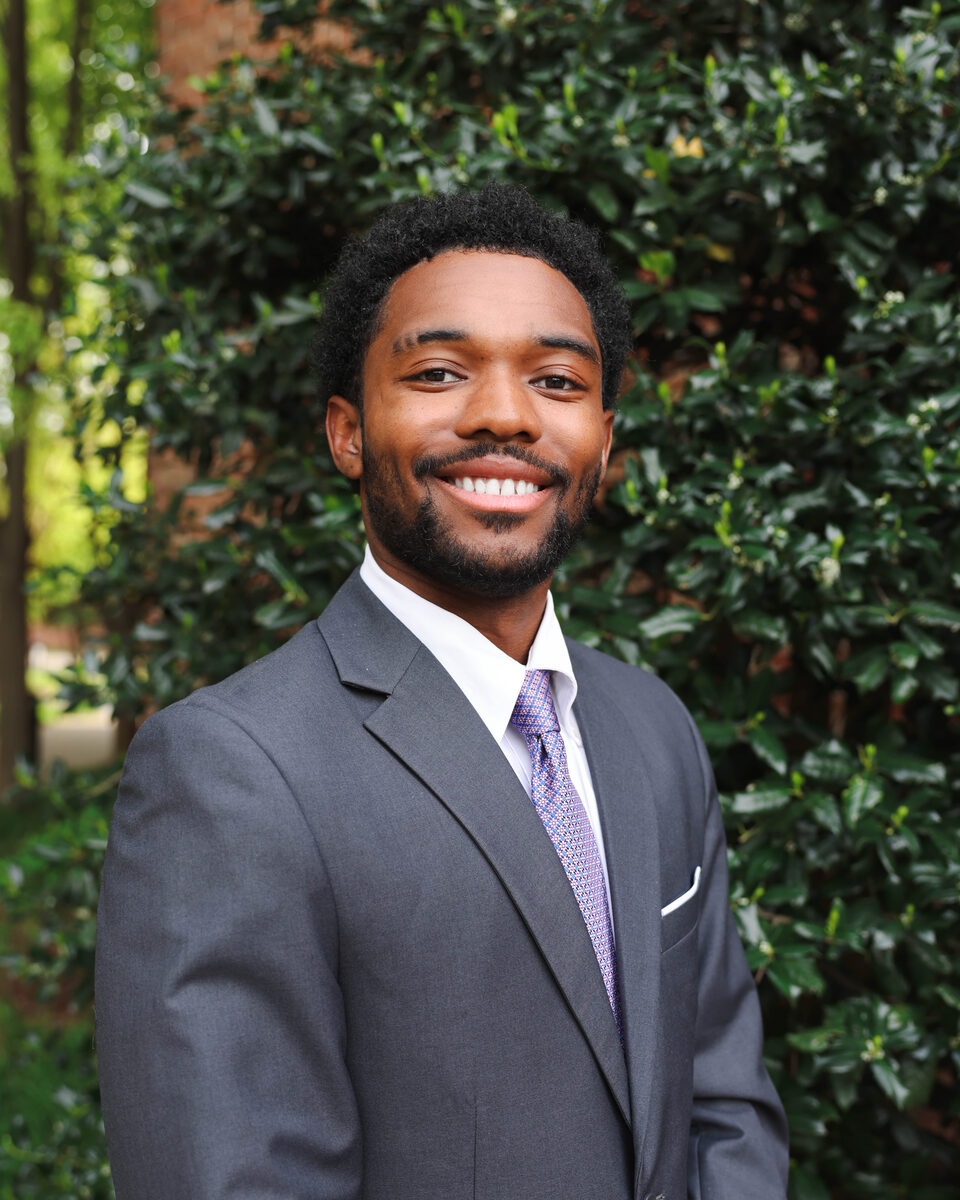
Nathan Wallace, founder of Nate Cutzzz. |
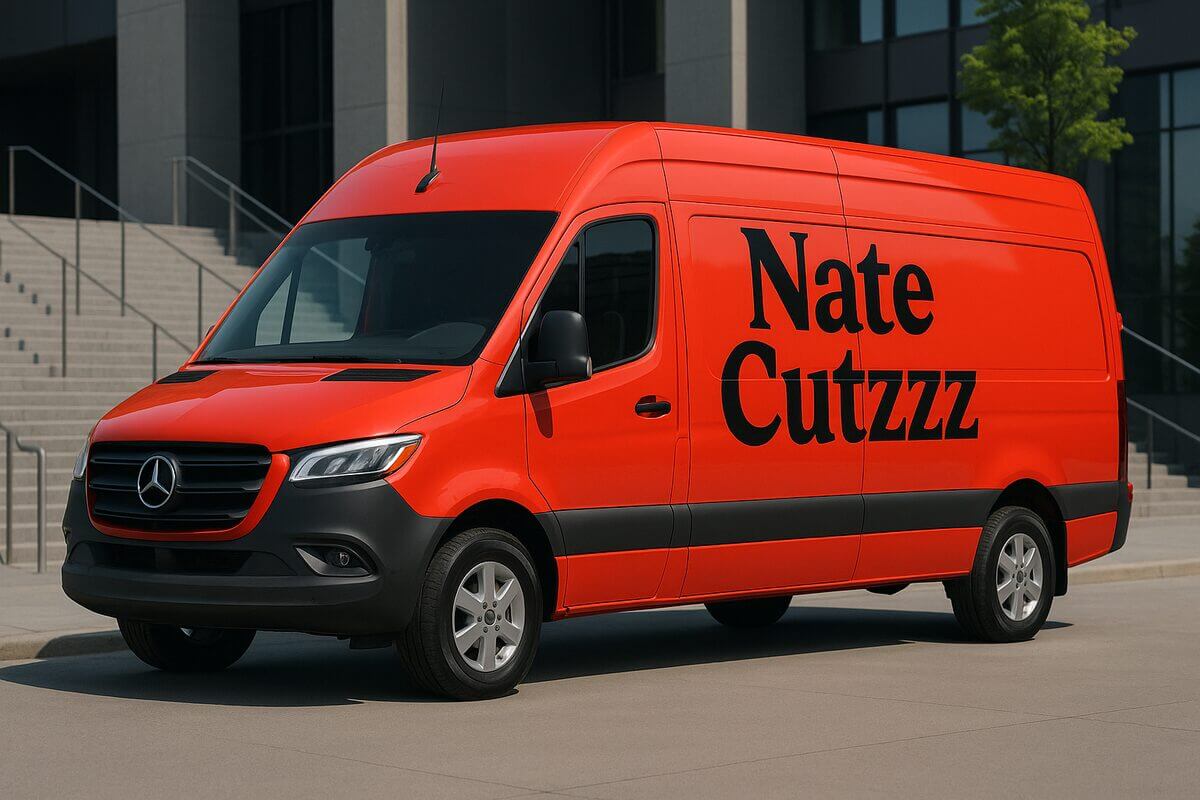
Nathan Wallace runs his business out of a 1999 Toyota Solara. Clients book him through Instagram DMs, he plans his route around who scheduled what and where, and then he shows up at their house and cuts their hair in the bathroom, the living room or the dorm room. He has never raised a dollar of outside money.
The whole thing started with $38 and a lockdown.
|
|
A $38 Bet During LockdownWallace grew up watching his dad cut yards on the side. His father taught during the week and used the lawn work to supplement the income, and the arrangement stuck with Wallace long before he had a word for it. Someone learns a skill, that skill turns into money, the money changes what's possible. Then Covid hit. Wallace had gotten particular about his appearance and was going in for haircuts nearly every week, which costs money he suddenly couldn't earn. Instead of letting it go, he did what his dad had done. He learned the skill himself. The startup cost was around $38 for a set of clippers at Walmart. The training was YouTube, video after video after video. His first client was his own head, which turned out to be the advantage of a nationwide lockdown.
After a few months of that, he worked up the nerve to cut his friends and teammates. His first real customer was Austin Williams, a friend from high school who saw the work and took the chance. Williams is on the Nate Cutzzz business card to this day. Teammates followed, then their friends, and the hobby stopped being a hobby. |
|
|
The Barbershop That Comes to YouAsk Wallace to describe the business in a sentence and he has it ready: a barbershop that comes to you and is for you. The haircut has to be good, but the thing he actually sells is convenience. You don't drive anywhere. You don't sit in a waiting room. He pulls up.
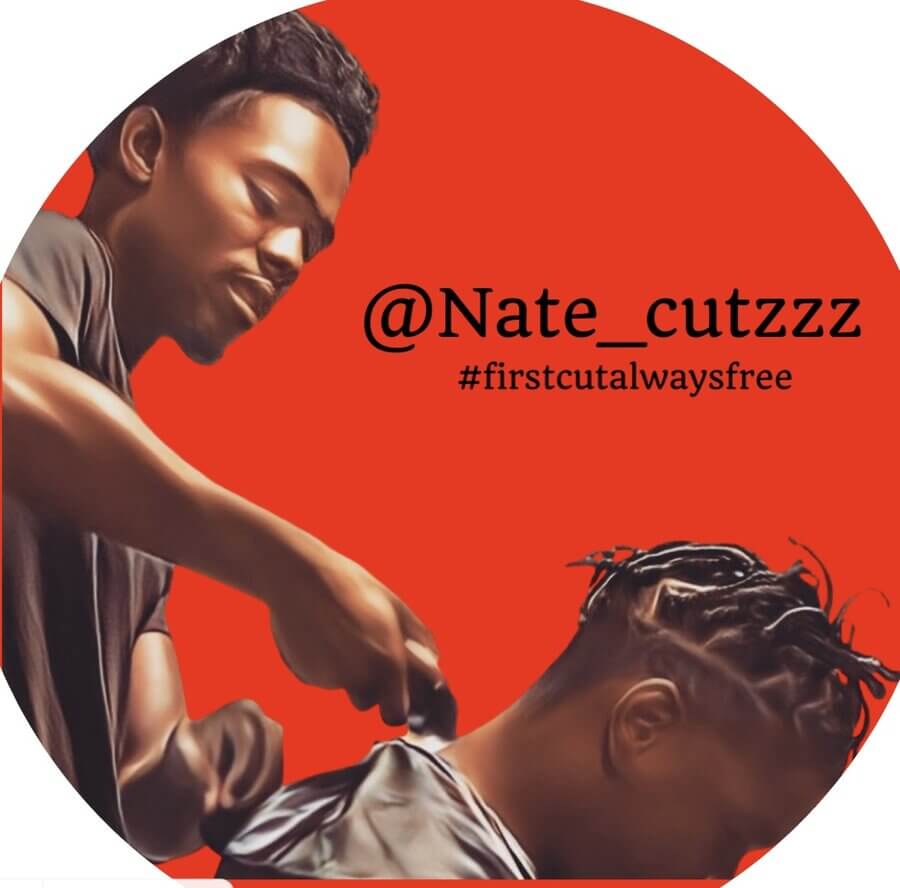
Running it looks like this. Clients message him on Instagram to book. He maps the day around where people are and when they want to be cut. Then he drives the Solara to a string of bathrooms, living rooms and dorm rooms across Nashville. He has never taken outside funding, and that was a decision rather than a limitation. The business was supposed to be a hobby, the revenue covered what he needed, and there was nothing he wanted badly enough to raise for. He can imagine crowdfunding after graduation if he decides to expand, but not before. What makes the operation genuinely hard is everything else on his schedule. Wallace is a full-time student, an athlete and works a part-time job. The barbershop competes with all of it. |
|
|
Learning to Explain a Business He Was Already Running
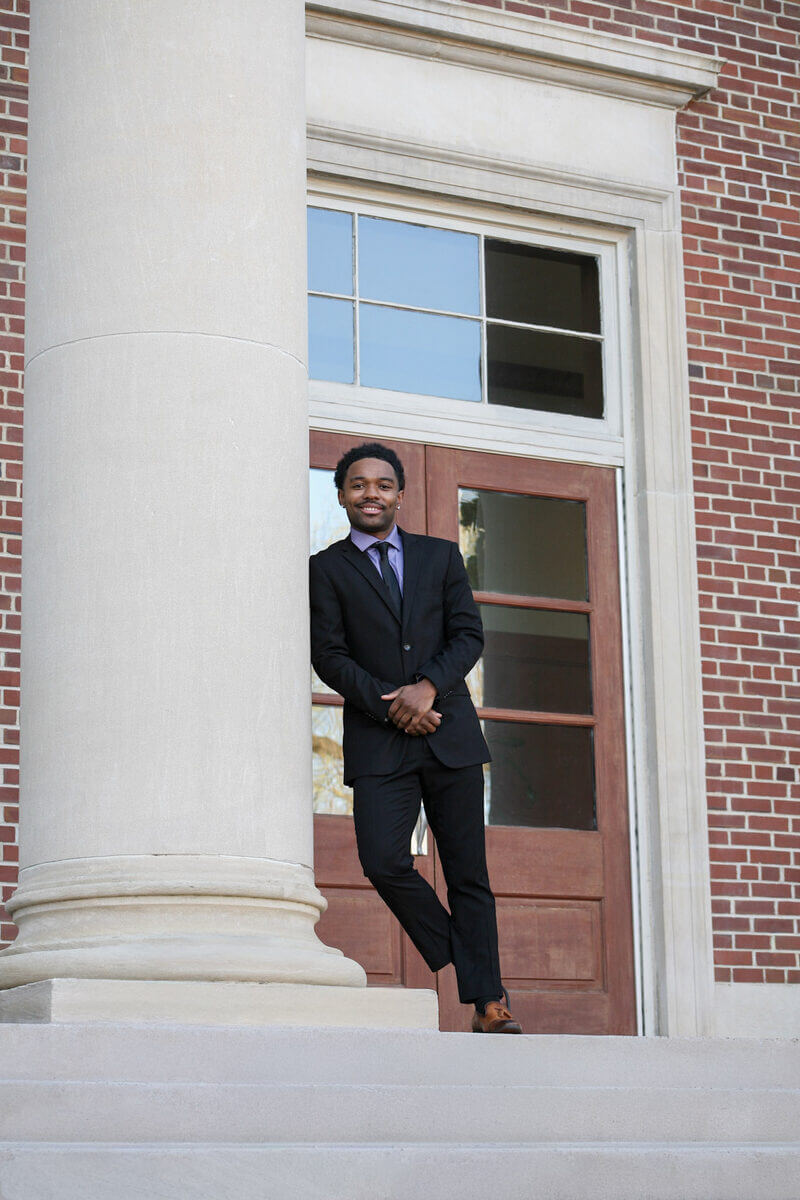
That's where Jeff Cohu came in. Cohu is a faculty adviser at Lipscomb and, as Wallace's entrepreneurship professor, the person he brings problems to. What Cohu spotted was a routing problem hiding inside the business model. Wallace was taking appointments across scattered zip codes and burning time and gas driving between them. The fix was to stop thinking about it as one appointment at a time. Cohu pushed him toward blocking off days for a single location and staying put: set up shop at a nursing home, for instance, and cut there all day. Same clippers, same skill, an entirely different set of economics.
|
|
|
Burnout, Grad School and a Household NameAsked what the hardest part is, Wallace doesn't say money or time. He says consistency and burnout, and he's specific about why. When a hobby becomes a business, the thing you did because you loved it becomes the thing you have to do. Staying motivated means remembering why you picked up the clippers in the first place. He is heading back to Lipscomb for graduate school, with Cohu still down the hall. After that he wants to give the business real attention: smooth out the mobile model, fix the parts that don't work yet, and build an app that uses AI to handle scheduling and help clients figure out which style actually suits them.
The long-term goal is for Nate Cutzzz to become a household name. What he wants after that is the part worth paying attention to: once the business is big enough, he intends to start giving back to the community that has been sitting in his chair since high school.
|
What CEO Members Can Take from Nathan's Story
|
|
The 2026 CEO Global Conference is coming.
November 5-7 at the Wyndham Grand Clearwater Beach, FL. Connect with founders like Nathan, attend keynotes and compete in the Global Pitch Competition.
This spotlight is based on an interview with Nathan Wallace, founder of Nate Cutzzz and a student at Lipscomb University. Follow the business on Instagram: @Nate_cutzzz. Photos courtesy of Nathan Wallace.